Ontario introduced expanded carbon monoxide (CO) alarm requirements on January 1, 2026. The changes to the Ontario Fire Code affect where CO alarms must be installed in existing homes, apartment buildings, condominiums and certain residential care facilities.
The most significant change is the requirement to install CO alarms on every storey of an affected home, including floors without bedrooms. Additional requirements also apply to multi-unit residential buildings with shared heating equipment and other potential sources of carbon monoxide.
Whether you own a house, rent out residential units or manage a building in Toronto or elsewhere in Ontario, understanding these requirements can help you identify missing alarms and maintain a safer property.
What Changed on January 1, 2026?
Carbon monoxide alarms were already mandatory in many Ontario homes before 2026. The updated Fire Code expands their required locations and addresses additional risks associated with shared heating systems.
The main changes include:
- CO alarms must be installed on every storey of an affected home, even where there are no sleeping areas.
- Homes heated by air from a fuel-burning appliance located outside the home are now included.
- Additional requirements apply to apartment and condominium buildings, including certain service rooms and common corridors.
- The updated provisions also address buildings containing care occupancies, where residents may need assistance during an emergency.
These requirements are established under Section 2.16 of the Ontario Fire Code, O. Reg. 213/07. They do not mean that every building in Ontario must install identical equipment or that professional alarm monitoring has become mandatory.
Which Homes Must Have Carbon Monoxide Alarms?
A house must have working CO alarms if it has any of the following:
- A fuel-burning appliance, such as a gas furnace, water heater or stove
- A fireplace
- An attached garage
- Heated air supplied by a fuel-burning appliance located outside the home
These conditions apply to detached and semi-detached houses, townhouses and other residential properties covered by the Fire Code.
Where Should CO Alarms Be Installed?
In homes covered by these requirements, CO alarms must be installed:
- Adjacent to each sleeping area, such as the hallway outside bedrooms.
- On every storey of the home, including floors without bedrooms.
For example, a house with a basement, main floor and second floor generally requires CO alarm coverage on all three levels if it has a gas furnace. An alarm in the upstairs hallway may satisfy both the sleeping-area and second-floor requirements when appropriately positioned.
The exact number and placement of alarms depend on the layout and the manufacturer’s installation instructions.
What About Apartments and Condominiums?
Multi-unit residential buildings have additional considerations because carbon monoxide can originate from equipment or areas outside an individual unit.
CO alarms may be required in an apartment or condominium unit when:
- The unit contains a fuel-burning appliance or fireplace.
- The unit shares a wall, floor or ceiling with a service room containing fuel-burning equipment.
- The unit is directly above, below or beside a parking garage.
- The unit receives heated air from a fuel-burning appliance located outside the unit.
Where these conditions apply, CO alarms are required adjacent to sleeping areas and on every storey of the affected unit.
The Fire Code also establishes requirements for CO alarms in certain service rooms and public corridors, including corridors heated by air from fuel-burning equipment.
For property managers, this means reviewing more than individual apartments. Building heating arrangements, service rooms, garages and common areas can all affect where alarms are required.
Do the New Rules Apply to Commercial Buildings?
The 2026 changes primarily address buildings containing residential and care occupancies. They should not be interpreted as a blanket requirement for CO alarms in every office, retail store or industrial facility.
However, commercial property owners may still need to consider carbon monoxide risks, particularly in buildings that contain residential units, accommodation or certain care facilities.
Workplaces with fuel-burning equipment, vehicle operations or other potential CO sources may also be subject to separate workplace safety and building requirements.
A property assessment should distinguish between mandatory Fire Code provisions and additional safety measures appropriate to the building’s operations.
For questions about how the updated Fire Code applies to a specific building, the local fire department is the appropriate authority to consult.
Who Is Responsible for CO Alarm Compliance?
Responsibility depends on the type of property and how it is occupied.
Homeowners
Owners of occupied private homes are responsible for ensuring that the required CO alarms are installed and maintained in working condition.
This includes replacing expired devices and making sure alarms remain functional.
Landlords
Landlords are responsible for installing and maintaining required CO alarms in rental units.
Under Ontario’s Fire Code requirements, landlords must also test alarms annually and at specified times, including when a tenancy changes, batteries are replaced or relevant electrical work is performed.
Landlords must provide tenants with the manufacturer’s maintenance instructions.
Tenants
Tenants must not disconnect, disable or interfere with CO alarms. They are also responsible for notifying their landlord when they become aware of a malfunctioning or disconnected alarm.
If a landlord does not provide a required working CO alarm, tenants can contact their local fire department for assistance.
Choosing a Compliant Carbon Monoxide Alarm
A common misconception is that the 2026 rules require homeowners to replace ordinary battery-operated alarms with professionally installed smart systems.
That is not the case.
Under the Ontario Fire Code, permitted CO alarm types include:
- Battery-operated alarms
- Plug-in alarms
- Hardwired alarms
Combined smoke and carbon monoxide alarms are also available, provided they meet the applicable requirements for both functions.
Certification Matters More Than Connectivity
When selecting a CO alarm, check that the product meets the applicable Canadian performance requirements.
The Fire Code identifies CSA-6.19 and UL 2034 as relevant standards for residential carbon monoxide alarms. Look for certification markings from recognized testing organizations, such as CSA, ULC or ETL, and confirm that the specific model is approved for its intended use.
A product described as a smart detector or professional-grade device is not automatically compliant.
Placement, audible warning performance, installation and maintenance are also important. A wireless alarm with a mobile app cannot compensate for missing required alarm coverage.
Modern CO Detection and Smart Security Systems
Conventional CO alarms are designed to warn people nearby when dangerous carbon monoxide conditions are detected.
Some modern systems offer additional features that can make alarms easier to manage, particularly across larger homes or multiple properties.
Depending on the equipment and configuration, these features may include:
- Mobile notifications when an alarm is activated
- Low-battery and device fault alerts
- Remote access to device status
- Interconnected alarms that alert occupants in other areas
- Integration with compatible security systems
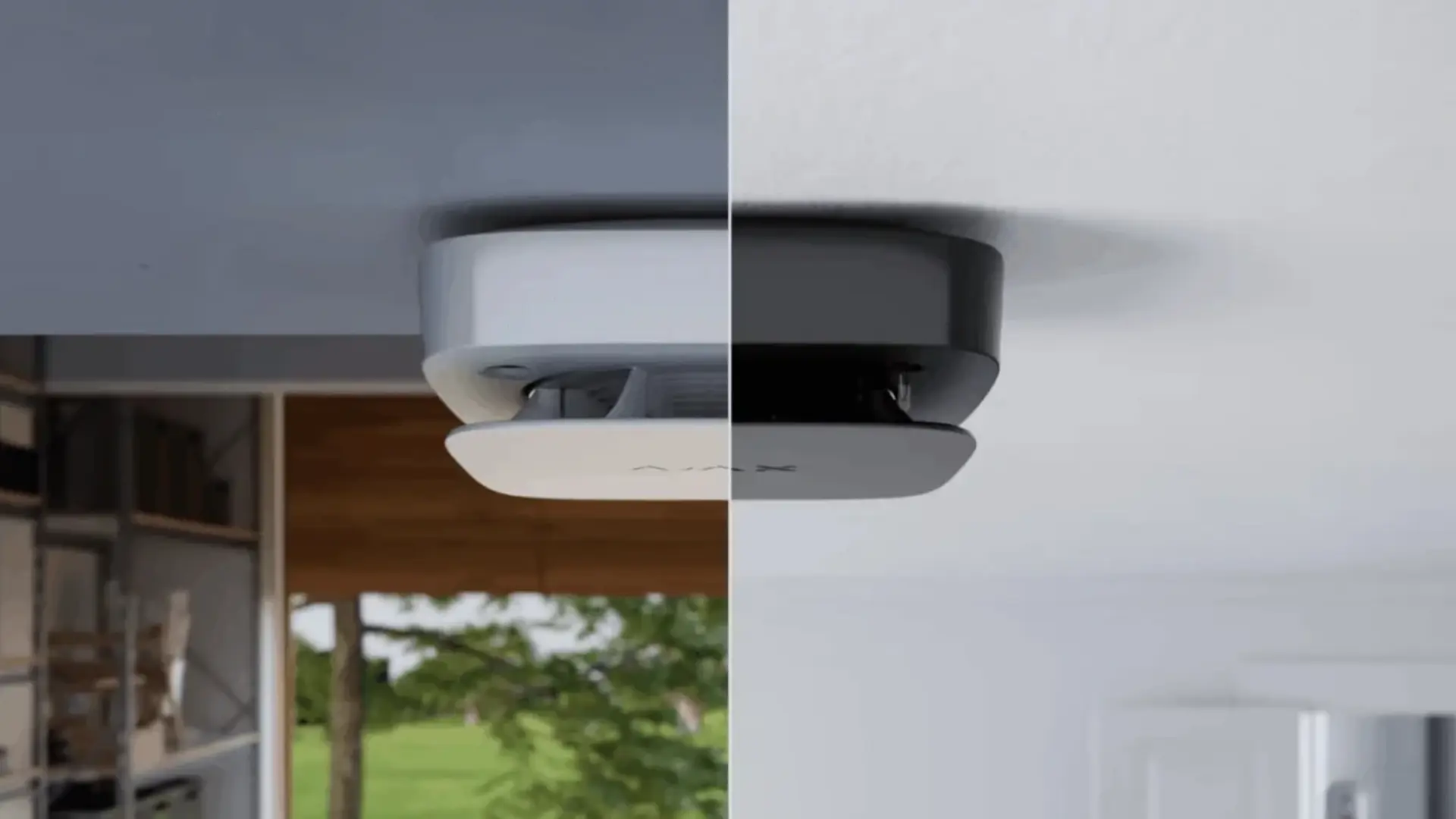
For example, certain Ajax FireProtect 2 models include carbon monoxide sensing alongside smoke or heat detection. Other models in the same product family do not include a CO sensor, so selecting the correct version is essential.
Any device proposed for a Canadian installation must be checked for the applicable certification and suitability before being used to meet Fire Code requirements.
Smart features can provide useful additional information, but remote notifications depend on factors such as system configuration, communication availability and connected equipment.
The local audible alarm remains a critical part of occupant safety.
Self-Monitoring or Professional Monitoring?
Connecting a compatible CO alarm to a security system can provide additional notification options. However, the 2026 Ontario Fire Code changes do not generally require homeowners to subscribe to professional alarm monitoring.
Self-Monitoring
With a compatible connected system, homeowners may receive mobile notifications and check device status through an app.
This option may be suitable for people who want greater visibility into their property without a professional monitoring subscription.
However, mobile alerts depend on communication services and the equipment being operational. A missed notification, disconnected hub or unavailable internet connection can prevent an alert from reaching the user.
Professional Alarm Monitoring
Some compatible systems can be connected to a professional monitoring service.
Depending on the monitoring agreement and system configuration, an alarm event may be transmitted to a monitoring centre, where operators follow established verification and escalation procedures.
This can provide an additional point of contact when a property owner is unavailable.
However, professional monitoring does not guarantee immediate emergency response, uninterrupted communications or a particular dispatch time.
Neither option replaces the need for properly installed, functioning local CO alarms or immediate action when an emergency occurs.
When Should Existing CO Alarms Be Replaced?
The 2026 changes do not automatically make every older or battery-powered CO alarm obsolete.
An existing alarm may remain suitable if it meets applicable requirements, is installed in the correct location and remains within its service life.
Replacement or additional alarms may be necessary when:
- The device has reached its manufacturer’s replacement date.
- The alarm fails its prescribed test or develops a fault.
- The home now requires coverage on floors where no alarm was previously installed.
- Renovations or changes to heating equipment affect the required alarm arrangement.
- The existing device does not meet applicable performance or installation requirements.
CO alarms have limited service lives. Many models require replacement after approximately five to ten years, but the manufacturer’s instructions and the device’s end-of-life indication should determine the actual replacement schedule.
A battery-operated alarm should not be replaced solely because it is not hardwired or connected to a monitoring system.
Maintaining CO Alarms and Preventing Exposure
Installing alarms is only one part of carbon monoxide safety.
Property owners and occupants should also take practical steps to reduce the likelihood of CO entering occupied areas.
- Test CO alarms monthly using the manufacturer’s instructions.
- Replace batteries as directed and respond promptly to low-battery warnings.
- Replace alarms when they reach the end of their service life.
- Arrange regular professional inspection and maintenance of fuel-burning appliances.
- Keep furnace exhausts, chimneys and exterior vents clear of snow, debris and other obstructions.
- Never operate fuel-burning generators, barbecues or similar outdoor equipment inside a home or attached garage.
Carbon monoxide can develop when fuels such as natural gas, propane, gasoline, oil or wood do not burn completely.
Because the gas is colourless, odourless and tasteless, occupants may not recognize a dangerous situation without a working CO alarm.
Symptoms of carbon monoxide exposure can include headaches, dizziness, nausea, confusion and drowsiness. Severe exposure can cause loss of consciousness or death.
What Should You Do If a CO Alarm Sounds?
If a CO alarm activates, treat it as a potential emergency.
Leave the building immediately and move to fresh air. Call 911 from outside and follow the instructions of emergency responders.
Do not re-enter the building until emergency personnel confirm it is safe.
Do not assume the alarm is false simply because nobody is experiencing symptoms. A professional monitoring service or mobile notification should never delay evacuation or an emergency call.
Reviewing Your Property’s CO Alarm Coverage
For homeowners, the first step is to identify all required alarm locations and compare them with the devices already installed.
For landlords and property managers, the assessment may also involve checking heating equipment, service rooms, garages, common corridors and existing maintenance records.
A useful review should establish:
- Which Fire Code provisions apply to the property
- Whether required locations have suitable working alarms
- Whether existing devices remain within their service life
- Whether additional alarms or system changes are necessary
- Whether optional remote notifications or monitoring would offer practical benefits
Replacing an entire security system is not necessarily required. Where existing equipment remains suitable, additional alarms or compatible components may be sufficient.
Ontario Carbon Monoxide Alarm Rules: FAQ
Are carbon monoxide alarms mandatory in every Ontario home?
Not necessarily. The Fire Code requirements depend on factors such as fuel-burning appliances, fireplaces, attached garages and the source of heated air. A fully electric home with no attached garage or other applicable CO risk condition may not require CO alarms under these specific provisions. The building’s actual configuration should be checked before making that determination.
Do I need a carbon monoxide alarm in my basement?
If your home is subject to the CO alarm requirements, every storey must have appropriate coverage, including the basement. This applies even if the basement contains no bedrooms. Always follow the manufacturer’s placement instructions.
Can I keep my existing battery-operated CO alarms?
Yes, provided the alarms meet the applicable standards, are correctly installed, remain in working condition and have not expired. The 2026 changes do not establish a general requirement to switch to hardwired or professionally monitored alarms.
Does a smoke detector also detect carbon monoxide?
Only if it is specifically designed and certified to detect both smoke and CO. Standard smoke alarms do not detect carbon monoxide. Check the product specifications and certification before relying on a combination device.
Do the new rules require professional monitoring?
No. Professional monitoring is an optional service for many residential installations. It can add notification and escalation capabilities when supported by the equipment and service agreement, but it does not replace required local alarms.
Who should I contact if I am unsure about my building’s requirements?
Contact your local fire department for clarification about Fire Code requirements and enforcement. For equipment selection, installation or integration with an existing security system, consult a qualified service provider.
Carbon Monoxide Alarm Assessment with True North Security Group
True North Security Group works with residential and commercial property owners across Toronto and the Greater Toronto Area on security system installation, upgrades and integration.
If you are reviewing your property’s CO detection arrangements, our team can discuss existing equipment, potential installation requirements and options for integrating compatible alarms with a security system.
The objective is to identify a practical approach based on the building, its occupants and applicable requirements rather than adding technology that may not be necessary.
For confirmation of statutory Fire Code obligations, property owners should consult their local fire department.
Request a Property Assessment
Contact True North Security Group to discuss your existing alarm setup and available options for your property.