A Journey Through the History of CCTV in Canada

From its modest origins to the advanced CCTV systems prevalent today, the evolution of Closed-Circuit Television (CCTV) is a crucial chapter in safeguarding public spaces, businesses, and homes across Canada.
Here, we unearth the intricate layers that constitute the rich history of CCTV, a history deeply interwoven with the safety and protection of the evolving communities.
The Birth of CCTV in Canada
The roots of CCTV in Canada go back to the 20th century, when early security camera systems were first introduced. The initial deployments were often limited to:
- Government facilities
- Banks
- Major urban centers
These rudimentary systems relied on analog cameras and were primarily used for monitoring rather than recording. As these early systems gained traction, their applications expanded to include critical infrastructure sites, gradually paving the way for comprehensive video surveillance networks.
Technological Evolution from Analog to Digital
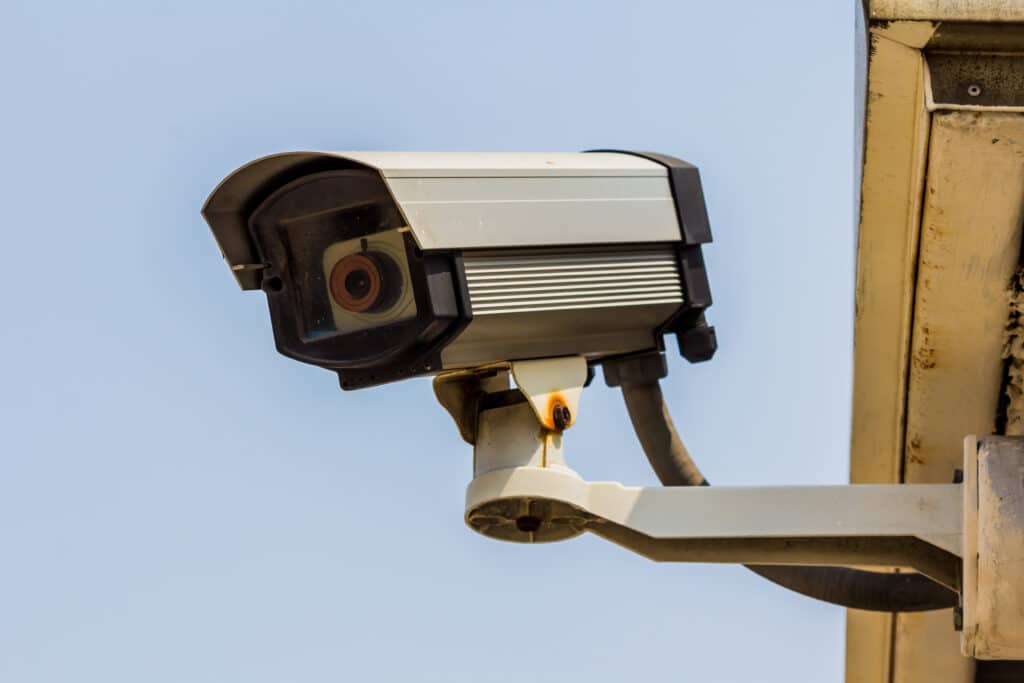
The late 20th century witnessed a paradigm shift in CCTV camera technology. Analog cameras gave way to digital counterparts. Digital cameras offer improved image quality and the ability to store footage more efficiently.
This transition marked a turning point in the effectiveness of surveillance systems across Canada, as digital technology allowed for easier integration, remote monitoring, and enhanced data analysis.
The advent of digital CCTV cameras not only improved image quality but also streamlined data retrieval and storage, contributing to a more sophisticated and user-friendly surveillance infrastructure.
Integration with Security Systems
As the need for comprehensive security solutions grew, CCTV systems were integrated into broader commercial security systems. This integration also included:
- Access control systems installation
- Intrusion detection and later active deterrence
- Alarm monitoring systems installation and integration
The combination of these technologies strengthened the overall security infrastructure and provided a more robust defence against evolving threats.
The interconnectedness of security systems facilitated a holistic approach, allowing authorities and organizations to respond swiftly to potential security breaches and emergencies. This collaborative integration has become a hallmark of modern surveillance strategies in Canada.
Security Camera Systems Expansion
Public Spaces
In the 21st century, the proliferation of CCTV expanded into public spaces. Major cities, transportation hubs, and critical infrastructure sites adopted extensive surveillance networks to enhance public safety.
Canada’s commitment to the security and well-being of its citizens has led to increased investment in state-of-the-art CCTV systems, thereby fostering a safer environment for all. The widespread deployment of surveillance cameras in public spaces serves as a deterrent to criminal activity and provides law enforcement with valuable investigative and response tools.
Additionally, other establishments, such as condominium buildings, restaurants, and hotels, have recognized the importance of CCTV installation. The integration of access control systems alongside CCTV has become instrumental in:
- Controlling entry points
- Restricting unauthorized access
- Protecting sensitive areas within these establishments

Residential Complexes
In recent years, the use of CCTV has expanded beyond public and commercial spaces to residential areas across Canada. The increasing availability and affordability of 4K security camera systems have empowered homeowners to take proactive measures to safeguard their properties.
Residential surveillance systems that we at True North Security Group install often incorporate features like remote monitoring and mobile app integration. So you can keep a vigilant eye on your home even when away.
This expansion into residential spaces represents a growing awareness of the importance of personal security. Homeowners embrace technological advancements to protect their homes and loved ones.
Cannabis Legalization
Following the legalization of cannabis in Canada in 2019, there has been a notable expansion of CCTV systems and access control measures across medical labs and cannabis farms. Cannabis legalization introduced a new set of regulations and security requirements for the cultivation, distribution, and retail of cannabis products.
In response to these regulations, many businesses and facilities in the cannabis industry, such as cannabis farms and medical laboratories, have adopted advanced CCTV systems to ensure compliance, enhance security, and monitor critical processes.
Special Features During the COVID-19 Pandemic
The COVID-19 pandemic heightened awareness of health and safety. Special features were swiftly integrated into surveillance networks to ensure compliance with health protocols. These features include, but are not limited to:
- Advanced analytics to monitor crowd density, enabling authorities to enforce social distancing measures.
- Thermal imaging to detect elevated body temperatures serves as an early screening tool in public spaces.
- Remote access features enable security personnel and homeowners to manage and monitor their CCTV systems remotely.
The adaptability of CCTV technology during this critical period underscored its role not only in traditional security applications but also in addressing unprecedented challenges posed by a global health crisis.
Regulatory Framework and Privacy Concerns
The need to balance security with individual privacy led to the establishment of regulatory frameworks governing the use of surveillance systems. Provinces and territories in Canada developed guidelines to ensure the responsible and ethical deployment of CCTV. They address concerns about data protection and privacy infringement.
This regulatory framework underscores Canada’s commitment to protecting the rights and privacy of its citizens while maintaining effective and necessary surveillance measures. Striking this delicate balance has become an ongoing effort. It requires continuous refinement of regulations to keep pace with technological advancements and evolving societal norms.
The Rise of Smart Surveillance
The convergence of CCTV with artificial intelligence (AI) and machine learning has led to the development of smart surveillance systems. These systems analyze vast amounts of data in real-time, detecting anomalies and potential threats more effectively.
The integration of smart analytics has further strengthened the capabilities of CCTV in Canada, providing a proactive approach to security. The incorporation of AI technologies into surveillance systems has opened new frontiers in threat detection and prevention, allowing for more efficient and precise monitoring.

The Future of CCTV in Canada
As we look to the future, the trajectory of CCTV in Canada points towards continued innovation and integration. Advancements in camera technology, video analytics, and the Internet of Things (IoT) are expected to shape the next chapter of surveillance.
Despite the 2025 Hikvision ban, the emphasis in 2026 is on sustainability, energy efficiency, and seamless integration with other smart city initiatives. Future developments may integrate CCTV with emerging technologies, such as 5G connectivity and edge computing. We can also expect increased collaboration in public space security with local police departments, as recent reports from 2026 indicate.