New Ontario Carbon Monoxide Detectors Law: What Homeowners & Businesses Must Know in 2026
The law for carbon monoxide detectors in Ontario’s 2026 update to the Fire Code calls for much stricter compliance with carbon monoxide (CO) detection in homes and commercial properties. With enforcement increasing across municipalities, property owners can no longer afford to ignore it.
If you own a home, rental property, office, or commercial facility in Ontario, you need to understand these new requirements for legal compliance, insurance coverage, and life safety.
What Is the New Ontario Carbon Monoxide Detectors Law?
Ontario’s updated regulations make CO alarms mandatory in more buildings than ever before. These rules are not suggestions or best practices — they are legal requirements designed to prevent serious injury and loss of life. Under Ontario’s Fire Code, carbon monoxide detectors are required in:
- All homes with fuel-burning appliances (furnaces, gas stoves, fireplaces, water heaters, etc.)
- Buildings with attached garages
- Residential units located near service rooms
- Rental and multi-residential properties
- Certain commercial occupancies
Fire departments now have the authority to inspect properties and lay charges for non-compliance. Fines can reach thousands of dollars. In addition to financial penalties, failure to comply may affect insurance coverage for any claim arising from the incident.
Why The 2026 Law for Carbon Monoxide Detectors Matters
Carbon monoxide is often called the “silent killer” because it gives no warning signs and offers no margin for error. This gas is:
- Colourless
- Odourless
- Invisible
- Potentially fatal (within minutes at high concentrations)
Unlike smoke, it cannot be seen or smelled. Without a properly installed and functioning CO alarm, occupants may not realize there is a problem until symptoms become severe, and by then, it may be too late.
Building Code & Insurance Industry Standards
Across Ontario, insurance providers and regulatory authorities are raising expectations for CO protection. Property owners are no longer expected to simply install a basic detector and forget about it. Instead, compliance and documentation play a critical role in both safety and liability management. Many insurers now require:
- Hardwired or approved battery-backed carbon monoxide alarms
- Interconnected alarm systems in multi-unit buildings
- Proof of maintenance and routine testing
- Full compliance with updated Ontario requirements
These standards reflect a growing recognition of how dangerous and difficult to detect carbon monoxide can be. CO is colourless and odourless, and potentially fatal, so you need to detect it as early as possible. Failure to install compliant CO detection systems can result in serious consequences, including:
- Denied insurance claims
- Increased insurance premiums
- Significant liability exposure for landlords and business owners
For landlords, property managers, and commercial operators, non-compliance can quickly escalate from a technical oversight to a costly legal issue.
Proactively installing certified, professionally monitored alarm systems does more than satisfy regulatory requirements. It ensures ongoing compliance while actively protecting occupants, tenants, employees, and assets.
Modern Carbon Monoxide Detection Technology
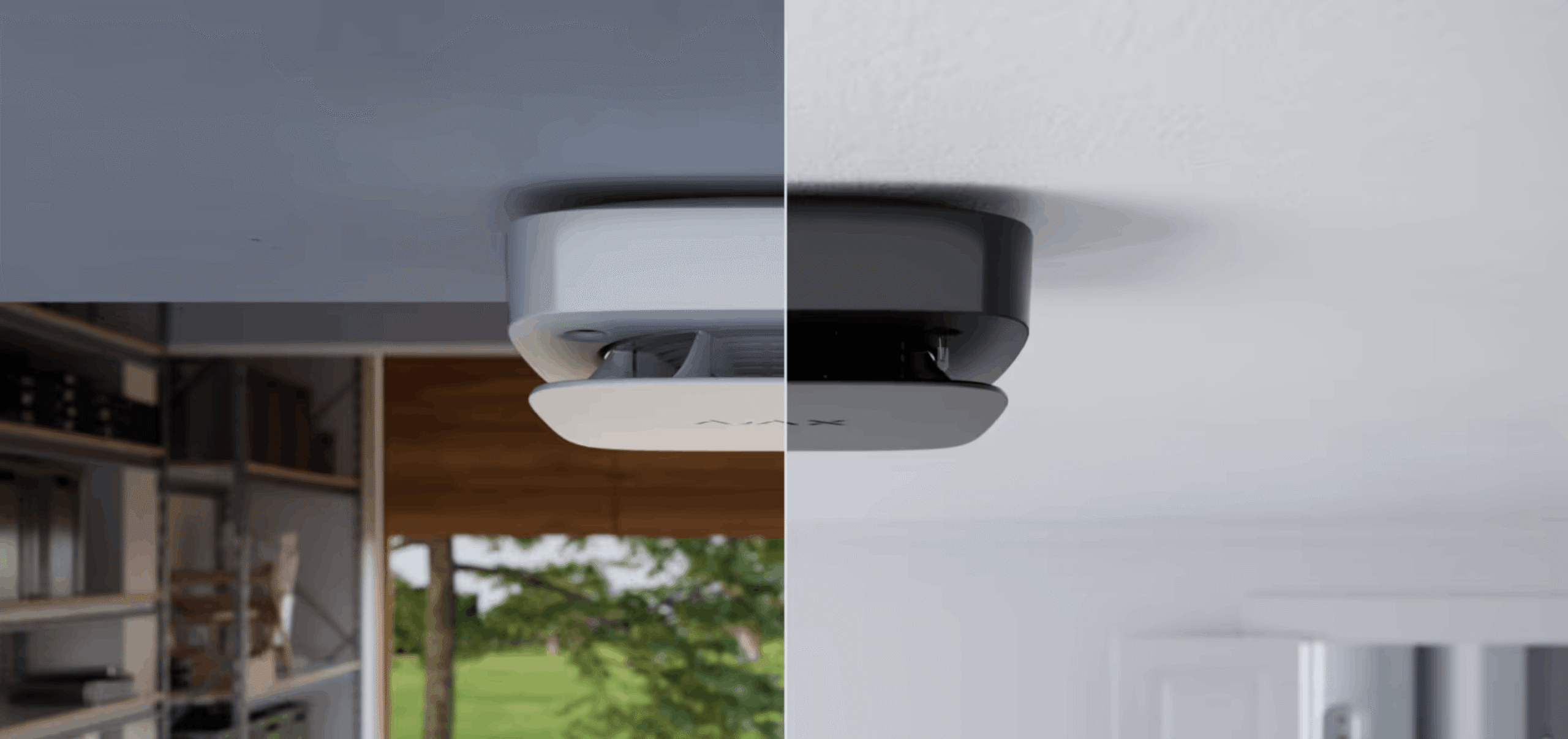
Today’s systems go far beyond standalone, battery-powered detectors commonly purchased from hardware stores. Modern professional-grade devices, such as the Ajax FireProtect 2 CO sensor, incorporate advanced detection technology designed for both accuracy and long-term reliability.
These systems are not your standard wall-mounted detectors. Modern carbon monoxide detection systems often feature:
- Precise CO sensing technology
- Extended operational lifespan
- Tamper protection
- Real-time alerts
- Wireless connectivity
- Integration with full alarm ecosystems
Unlike traditional detectors, professional systems can provide layered protection. They are capable of:
- Sending instant mobile alerts
- Integrating with fire and intrusion alarm systems
- Triggering emergency response services
- Offering remote diagnostics and continuous status monitoring
This level of monitoring and responsiveness significantly reduces risk, particularly in environments where occupancy levels fluctuate or where equipment could generate CO unexpectedly. Advanced detection is especially important for:
- Commercial properties
- Rental properties and multi-unit buildings
- Industrial facilities
- Offices and retail spaces
- Homeowners seeking enhanced safety monitoring
In each of these settings, early detection is not simply a matter of convenience. It’s a critical component of life safety strategy and risk management.
Monitor Your Property From Anywhere — With or Without Monthly Fees
At True North Security Group, we install and retrofit residential and commercial properties with modern, code-compliant carbon monoxide detection systems designed for today’s safety standards.
Whether you own a single-family home, manage rental units, or operate a commercial facility, you need more than a basic alarm on the wall — you need visibility, reliability, and control. Our solutions allow you to:
- Monitor CO alarms directly from your mobile device
- Receive real-time alerts anywhere in the world
- Check system health remotely
- Integrate fire and intrusion protection into one unified platform
You stay informed. You stay in control. And most importantly, you stay protected. We offer two flexible monitoring options depending on how much oversight you want.
Self-Monitoring (No Monthly Fees)
Prefer to manage alerts yourself? Our self-monitoring option allows you to use secure mobile apps to receive instant push notifications when an alarm is triggered.

You can check your system status anytime and respond as needed — without ongoing monthly costs. This is a practical solution for homeowners and small property owners who want modern protection without subscription fees.
Professional Alarm Monitoring
For enhanced protection, you can add 24/7 expert alarm monitoring through True North Security Group. With this service, trained operators respond immediately to confirmed alarm conditions and coordinate directly with emergency services. This option provides:
- Immediate dispatch coordination
- Reduced response times
- Added insurance credibility
- Peace of mind for landlords and business owners
Alarm monitoring ensures that even if you miss a notification or are unavailable, someone is actively watching over your property.
Retrofit Your Home or Office to Meet Ontario’s New Requirements
Ontario has increased enforcement around carbon monoxide detection compliance, and many existing properties do not meet current standards. If your current detectors are:
- Over 7-10 years old
- Battery-only units
- Not interconnected
- Not monitored
- Not compliant with updated code standards
Then it’s time to upgrade. True North Security Group specializes in retrofitting existing homes, offices, and commercial buildings with modern, compliant carbon monoxide detection systems, without requiring major renovations or disruptive rewiring. Our team performs a full assessment to evaluate:
- Current compliance status
- Applicable building code requirements
- Insurance considerations
- Optimal sensor placement
- Integration with existing security systems
Instead of just installing devices, we design systems that align with code requirements, operational needs, and long-term reliability.
Protect Lives. Protect Your Property. Stay Compliant.
Carbon monoxide is colorless, odorless, and dangerous. Compliance isn’t just about passing inspection — it’s about preventing tragedy. With Ontario’s renewed enforcement focus, now is the right time to review your system. Don’t wait for:
- A failed inspection
- An insurance issue
- A tenant complaint
- Or worse — a life-threatening emergency
Take a proactive approach. Upgrade your CO detection system, ensure compliance, and protect the people and property that matter most. By acting now, you’re safeguarding lives, avoiding costly penalties, and creating peace of mind for everyone who lives, works, or visits your building.
Get a Free Assessment
True North Security Group can evaluate your existing setup and offer practical ways to improve safety and reliability with proper carbon monoxide sensors as part of a comprehensive alarm system.
Fill out the request form for a FREE assessment – we’ll clearly explain your options, what improvements may be recommended, and how we can enhance your current system without unnecessary upgrades.
Law for Carbon Monoxide Detectors in Ontario FAQ
-
What is the new Ontario carbon monoxide detectors law for 2026?
The 2026 updates reinforce and clarify requirements under the Fire Protection and Prevention Act and Ontario’s Fire Code. The law requires properly installed and maintained CO alarms in homes and buildings that contain fuel-burning appliances, fireplaces, or attached garages. It also applies to multi-residential and many commercial properties. As a property owner, you are legally responsible for ensuring your buildings meet these requirements and remain compliant at all times. -
Who is responsible for installing carbon monoxide alarms in Ontario?
Responsibility depends on the type of property. Homeowners must install and maintain compliant CO alarms in their homes. Landlords are required to install and maintain carbon monoxide detectors in rental units and common areas, while tenants must notify the landlord if an alarm is not functioning properly. Commercial property owners and business operators are responsible for ensuring proper installation, maintenance, and compliance with Ontario’s Fire Code requirements. -
Where must CO alarms be installed?
In residential properties, carbon monoxide detectors must generally be installed outside sleeping areas and on every level of the home where required. They must also be placed near service rooms or fuel-burning appliances when applicable. In multi-residential and commercial buildings, placement depends on building layout, occupancy type, and the location of fuel-burning equipment. Proper placement is critical to meeting Ontario carbon monoxide detectors law requirements and ensuring effective early warning. -
What types of properties are affected by the 2026 law for carbon monoxide detectors?
The requirements apply to single-family homes, townhouses, condominiums, apartment buildings, student housing, offices, retail spaces, restaurants, hospitality properties, and mixed-use buildings. If a building contains fuel-burning equipment or is attached to a garage, CO detection is typically mandatory under Ontario regulations.