
CCTV Installation
Plan camera coverage around entrances, blind spots and the details you need to capture.
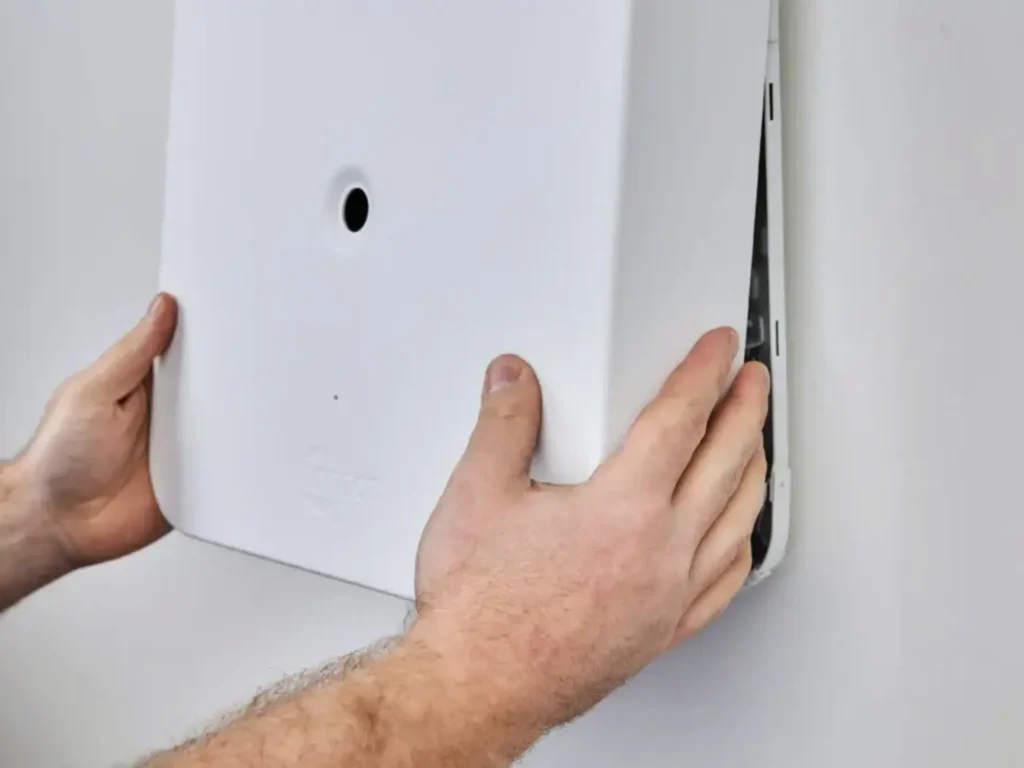
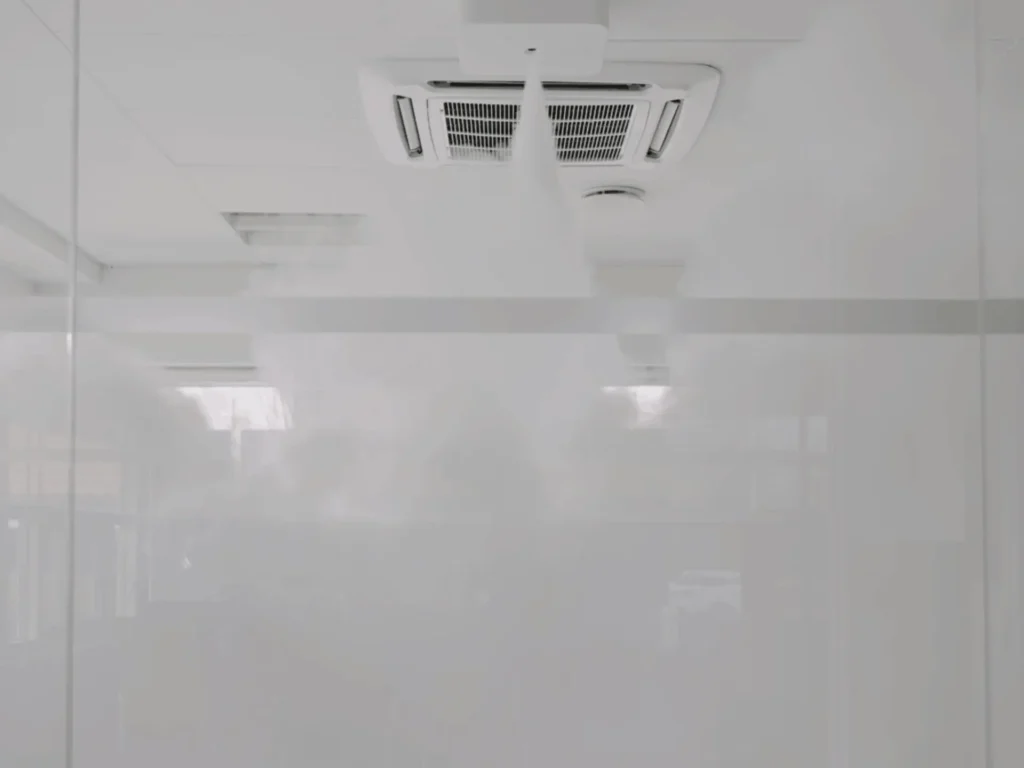
Most security technologies detect, record or report an intrusion. Security fog adds a different layer: it changes the environment inside the protected space, limiting what an intruder can see and how effectively they can continue moving toward valuables.
TNSG designs the monitoring layer around those decisions, including operator coverage, AI analytics, communication reliability and the response options available at the property.
Dense fog quickly removes clear sightlines, making it difficult to navigate the protected area or identify targeted valuables.
Without clear routes, doors, aisles and storage areas become much harder to locate and move through quickly inside.
Reduced visibility hides merchandise, equipment and other valuables from view during the short period when theft usually occurs.
The monitoring platform must communicate properly with alarms, speakers, gates or other devices used during verification or response.
By interrupting access to valuables early, security fog can reduce the opportunity for theft and additional property damage.
The visible fog response adds an active deterrent after detection, complementing alarms, cameras and other connected security measures.
A fog cannon heats purpose-made security fog fluid and releases a dense visible aerosol when the required activation conditions are met. The objective is not simply to produce as much fog as possible, but to achieve the required visibility reduction in the right area quickly enough to interrupt an intrusion.
A professional fog cannon installation starts with the protected space, not simply the model name or advertised output. TNSG considers volume, layout, likely intrusion routes and airflow before determining equipment capacity, placement and activation settings.
Fog cannon capacity should be compared at a stated visibility level, not by a single output number alone. For example, current PROTECT specifications rate the M80 at 150 m³ in 11 seconds and the M90 at 200 m³ in 12 seconds at approximately one metre visibility, illustrating why room volume and required deployment time both matter.
Placement also needs to respect normal movement and escape routes. A security fog system should interfere with the expected intrusion path without creating an unsafe layout for legitimate occupants.
A fog cannon does not replace intrusion detection, cameras or professional monitoring. It works best when those systems establish what happened and trigger the appropriate response, while the fog layer immediately makes theft more difficult inside the protected zone.
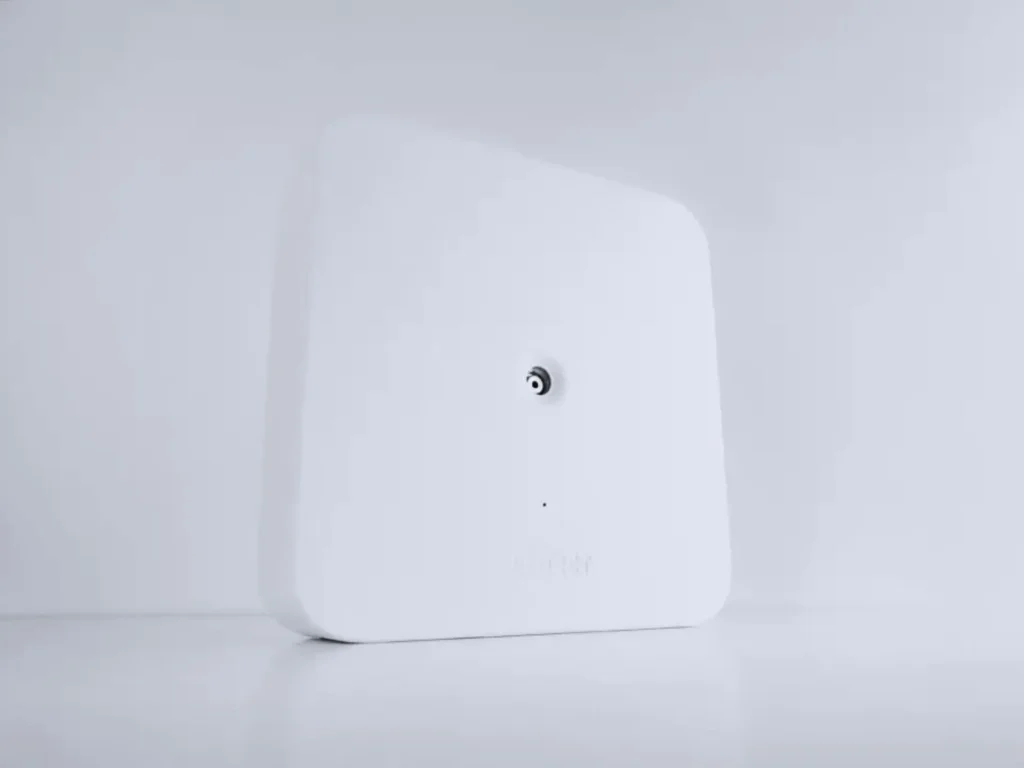
The effectiveness of a security fog system depends on more than how quickly a machine can produce fog. These questions cover the technical details that matter when you are evaluating equipment, integration, maintenance and suitability for your property.
Security fog is not smoke created by combustion. Professional systems heat a purpose-made fog fluid and release the resulting visible aerosol into the protected space. For example, PROTECT identifies its fog fluid as a water-and-glycol mixture. The exact formulation and safety documentation should always be checked for the equipment being installed rather than assuming every fog fluid is identical.
Potentially, depending on the type of fire detection installed. Because some smoke detectors respond to airborne particles, security fog may be interpreted as smoke by certain detector technologies. A property with a fire alarm therefore needs the fog system and fire detection reviewed together during design. Fire protection should never simply be disabled to accommodate a fog cannon.
Security fog systems are specifically designed for use around normal interior contents, and manufacturers such as PROTECT state that their fog does not normally leave residue when used as intended. However, ventilation after a discharge is important because prolonged concentration can allow water-based particles to condense on horizontal surfaces. This is particularly relevant for sites containing sensitive equipment, specialized inventory or controlled environments.
That depends on room volume, ventilation, open doors, HVAC operation and other airflow conditions. PROTECT states that its fog can remain for up to approximately one hour in an unventilated space and recommends ventilating after activation. The purpose is rapid intervention during the intrusion, not keeping a property fogged for as long as possible.
Service requirements depend on the manufacturer, but fog protection should be included in the regular maintenance schedule for the security system. PROTECT recommends an annual service that checks the nozzle, tamper protection, battery condition, fault history, verification sensor and fog fluid. Its current guidance also gives installed fog fluid a two-year service life, so fluid condition and age should be documented rather than checked only after a discharge.
Professional fog cannons can include internal backup power, but the exact capability depends on the model and system design. Backup may maintain electronics, alarm communication and readiness for a defined period after mains power fails. The important specification is therefore not simply whether a unit “has a battery,” but what functions remain available and for how long under backup power.
Yes. Larger warehouses, multi-room businesses and sites with separated high-value zones may require multiple units rather than one oversized discharge point. The units can be assigned to different alarm zones or coordinated through supported control interfaces, depending on the equipment. Proper design considers where fog needs to travel and which zones should activate, rather than automatically releasing every unit for every alarm.
Certain systems support concealed installation, which can be useful in retail, offices, showrooms and residential interiors where visible equipment is undesirable. Some manufacturers provide dedicated nozzles or extensions that allow the discharge point to enter the protected room while the main unit remains concealed. Installation limits are model-specific, so service access, operating temperature, nozzle clearance and the intended fog path still need to be maintained.
Security technologies are often more effective when they work together. Depending on the property and the risks involved, this solution may be combined with other systems.
A single technology may address one part of a security challenge, but effective protection often depends on how different systems, property conditions and operational needs work together. Explore our comprehensive security services for a broader approach to planning, improving or evaluating your property.
Tell us about the property, your current concerns and what you would like to improve. Our team will review the details and help determine the most appropriate next step, whether you need a new system, an upgrade or a professional assessment.
For technical support with an existing TNSG system, please visit our Help Center.