For Businesses & Commercial Properties

Commercial Security Systems Designed Around Your Operations

TNSG designs and implements integrated security solutions across Toronto, the GTA and Ontario, bringing the right systems together into a setup that is practical to manage, maintain and expand.

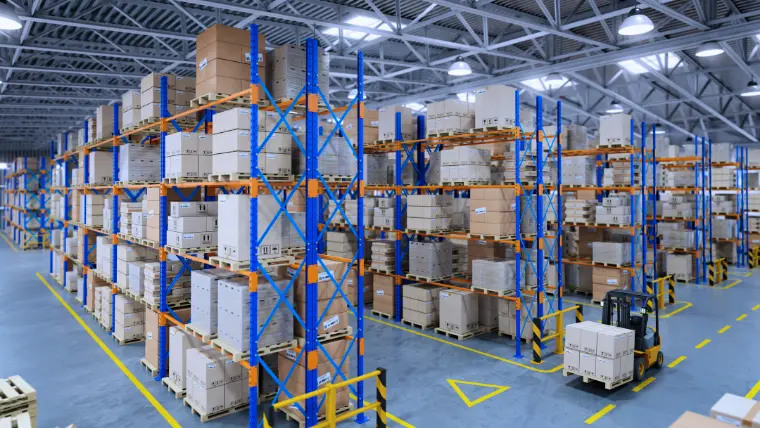
Single & Multi-Site Projects

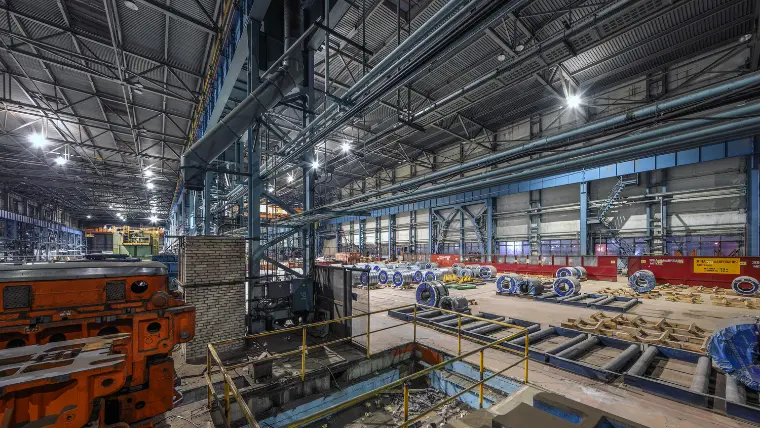
New Builds & Upgrades

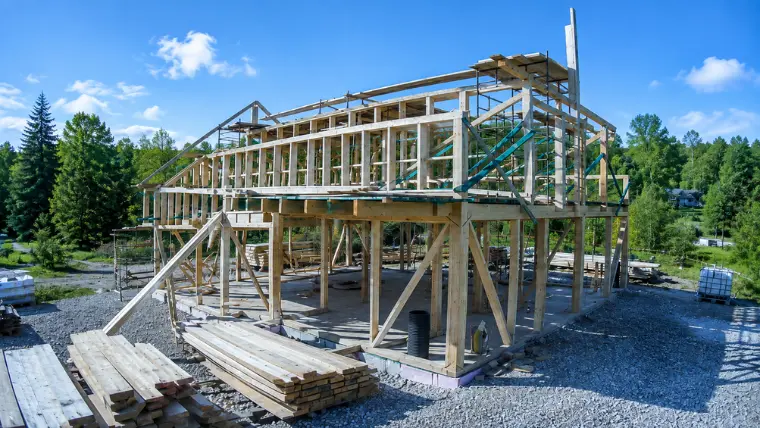
Operational Risk Focus

Commercial Security Challenges

When a Security System No Longer Fits the Property

Buildings and businesses change. Entrances are added, layouts are modified, restricted areas move, operating hours expand and new equipment is introduced. A security setup that was appropriate several years ago may still function while no longer providing the coverage or control the property now requires.

Equipment Added Over Time

Cameras, alarms, access control and other components may come from different generations or platforms, limiting how effectively they can be managed together.

Changes to the Site

New entrances, work areas, tenants, inventory or traffic patterns can create security gaps that were not part of the original design and require updated coverage.

Aging Infrastructure

Older cameras, recorders, cabling or network equipment may affect image quality, reliability, storage capacity or the ability to support newer technology.

Multiple Locations

Different equipment, user permissions and security procedures across several properties can make administration and incident review increasingly difficult.

Integrated Commercial Security

Unified Security Management

Integration is useful when it improves how security events are understood and handled. Instead of treating video surveillance, access control and intrusion detection as unrelated systems, information from them can be used together where the technology and operational requirements support it.

An access event, for example, can be checked against recorded video. An alarm can be visually verified before a response is initiated. Permissions can be administered consistently across controlled areas rather than managed independently at every door.

The objective is not to connect every device simply because it is possible. It is to determine which systems need to communicate, what information users need and how an event should move from detection to response.

Event Verification

Use relevant video, alarm and access information together to establish what occurred and support the appropriate response.

Access Management

Control permissions by user, area and schedule while maintaining records of access activity for review when required.

Coordinated Response

Configure alerts and monitoring procedures around the type of event, location and response requirements of the property.

Centralized Administration

Manage selected functions across controlled areas or multiple properties without maintaining a separate workflow for every location.

Security Solutions

Security Systems & Technologies

Each project may require a different combination of systems based on the property, risks and existing infrastructure. TNSG selects and integrates the right technologies to support a practical, coordinated security plan.

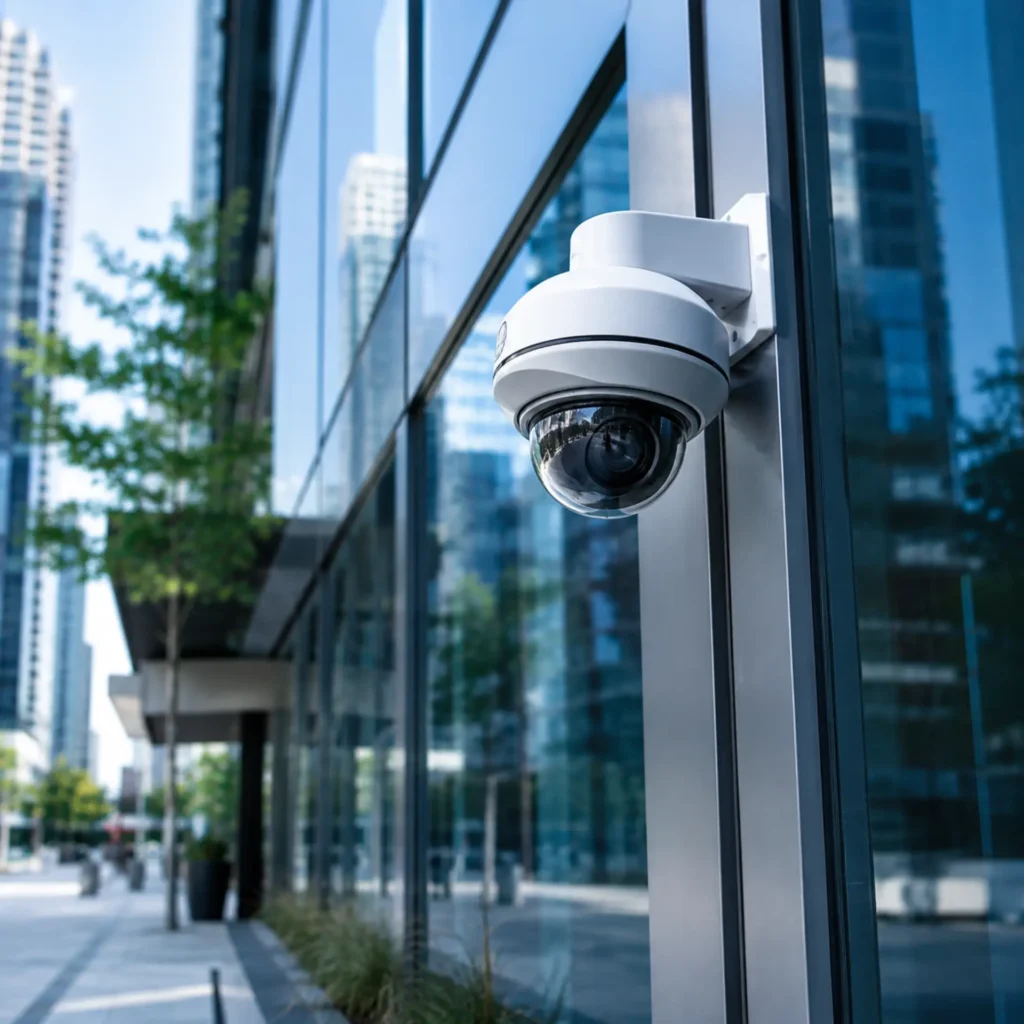
CCTV Installation

Plan camera coverage around entrances, blind spots and the details you need to capture.

Live Video Monitoring

Add real-time oversight to help verify suspicious activity and support a faster response.

Access Control

Manage who can enter specific doors or areas and update permissions as needs change.

Automatic Door Operators

Automate entry points for easier controlled access and integration with access control systems.

Fog Cannons

Rapidly reduce visibility after an intrusion is detected, making protected areas harder to navigate.

Long-Range CCTV

Extend reliable video coverage across large, remote or difficult-to-connect properties and perimeters.

Alarm Monitoring

Detect and report security events when no one is on site to notice them.

Network Infrastructure

Build the cabling and network foundation that connected security equipment depends on.

Security Window Film

Reinforce vulnerable glass to help delay forced entry and hold shattered glass together.
System Modernization

Upgrade Without Replacing Everything

When a property already has security equipment in place, the first question should not be what can be replaced. It should be what remains useful, what can work within the proposed design and what is actually limiting the system.

Assess Existing Systems

Cameras, recorders, access control equipment, cabling, network components and other relevant systems are considered before the upgrade is defined.

Retain Suitable Components

Equipment that remains reliable and compatible can continue to serve a useful role within the updated system without unnecessary replacement costs.

Replace Where It Matters

Priority can be given to coverage gaps, unsupported equipment, unreliable infrastructure or components that prevent the required functionality.

Plan for Future Changes

Where appropriate, the architecture can allow additional cameras, controlled doors or locations to be added later without repeating the entire project.

Project Delivery

From Site Review to System Handover

A commercial installation involves more than mounting equipment. Coverage, infrastructure, user access, installation sequencing and system configuration all need to be resolved before the project is complete.

Site Review

The project begins with the property itself: entrances, controlled areas, existing equipment, coverage requirements, network conditions and other factors that affect the design.

System Design

Camera locations, access points, recording requirements, integrations, infrastructure and user access are defined as parts of the same project.

Installation Planning

Cable routes, equipment locations, site access, operating hours and work sequencing are established before installation begins.

Installation & Integration

Equipment is installed and configured, with compatible existing components incorporated where they remain part of the approved design.

Testing & Commissioning

Camera views, recording, alerts, access permissions, integrations and remote connectivity are checked before the system is handed over.

Handover & Support

Relevant users receive the information required to operate the system. Monitoring, service and future modifications can then be arranged according to the project.

Client Experiences

Commercial projects often involve several stakeholders, existing infrastructure and work that must be completed without unnecessarily disrupting normal operations. The experiences below reflect the practical issues businesses tend to notice most during planning, installation and everyday use.

Our biggest issue was having cameras, access control and alarms that were managed separately. TNSG helped simplify the setup and make incident review faster. The process was practical, organized and caused very little disruption to our daily operations.

Mike Ivanov, Manufacturing Company, Mississauga

We had several older security systems across the facility. TNSG reviewed what could stay, identified the main gaps and gave us a clear upgrade plan. The installation was well coordinated and the final system is much easier for our team to manage.

Daniel Mercer, Distribution Centre, Vaughan

We had cameras, alarms and access control from different stages of the property. TNSG helped us bring the system together, improve coverage and make day-to-day management much simpler. The recommendations were practical and clearly explained.

Travis Huff, Vaughan, ON

Technical Questions Before a Commercial Security Project

Commercial security projects raise questions that go beyond choosing cameras or access devices. Existing infrastructure, IT policies, multiple locations, business continuity, privacy and long-term system management can all affect the design.

Sometimes. Compatibility depends on the type of equipment, supported communication protocols, software and licensing requirements, firmware support and the capabilities of the existing system. These factors need to be reviewed before determining whether integration is practical or whether a component should remain separate or be replaced.

Placement depends on what the video needs to show. Monitoring activity across a loading area requires a different field of view than identifying someone at an entrance. Lighting, distance, obstructions, mounting height, required image detail and recording conditions all affect camera selection and positioning.

Not necessarily. Before network-connected security equipment is added, existing cabling, available switch ports, PoE capacity, bandwidth, equipment locations and network configuration should be considered. Larger systems or sites with limited infrastructure may require network changes as part of the project.

Storage depends on the number of cameras, resolution, frame rate, compression, recording method and required retention period. These factors should be calculated during system design rather than selecting storage capacity based only on the number of cameras.

The number of controlled doors is only one factor. Door hardware, user groups, schedules, credential management, visitor access, reporting requirements and any interaction with other building or security systems can influence the design.

Video analytics can help identify specific types of activity, such as movement in restricted areas, perimeter events or vehicles entering defined zones. Analytics can also make large volumes of recorded footage easier to search. Their usefulness depends heavily on the use case, camera position, lighting and environment, so an AI feature should solve a defined problem rather than be added simply because it is available. Human procedures and appropriate system design remain important.

The number of controlled doors is only one factor. Door hardware, user groups, schedules, credential management, visitor access, reporting requirements and any interaction with other building or security systems can influence the design.

The number of devices is only part of the scope. Existing infrastructure, cable routes, building conditions, equipment locations, recording and storage requirements, door hardware, integrations, monitoring and installation scheduling can all affect project cost.

Contact TNSG

Tell Us About Your Security Needs

Tell us about the property, your current concerns and what you would like to improve. Our team will review the details and help determine the most appropriate next step, whether you need a new system, an upgrade or a professional assessment.

Prefer to speak with someone directly?

For technical support with an existing TNSG system, please visit our Help Center.

TELL US ABOUT YOUR PROJECT