
CCTV Installation
Plan camera coverage around entrances, blind spots and the details you need to capture.
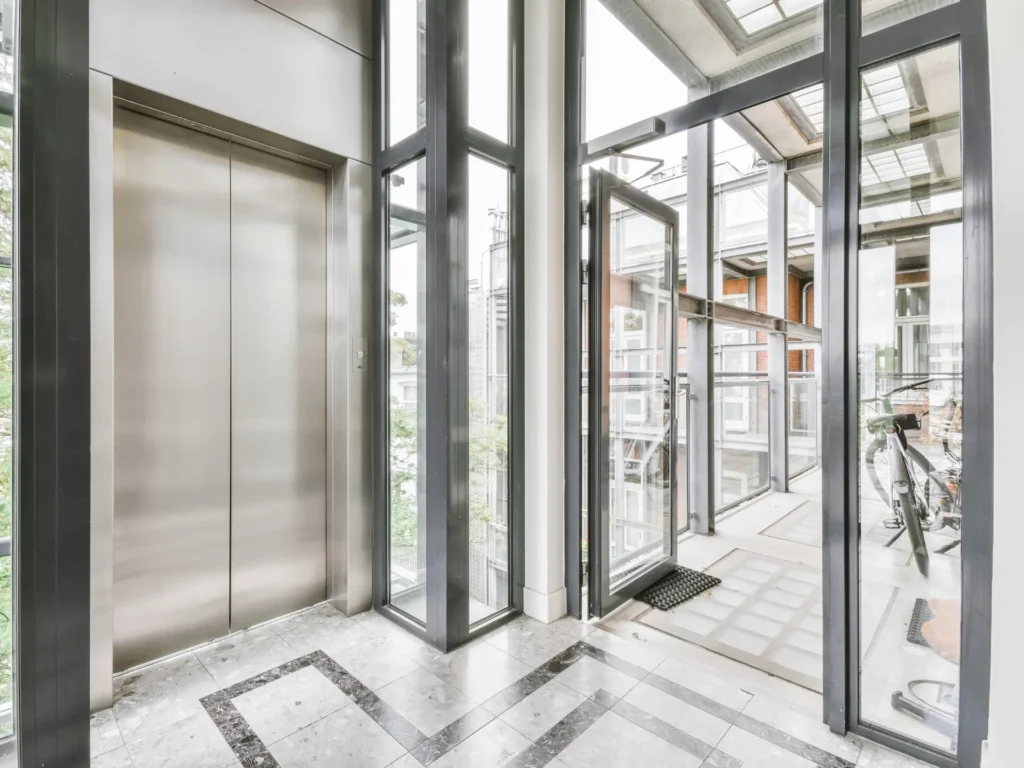
Door automation reduces the physical effort needed to move through an entrance while keeping the door’s normal function controlled and predictable. Depending on the system, assistance can be available on demand while the same door remains usable manually when powered opening is not needed.
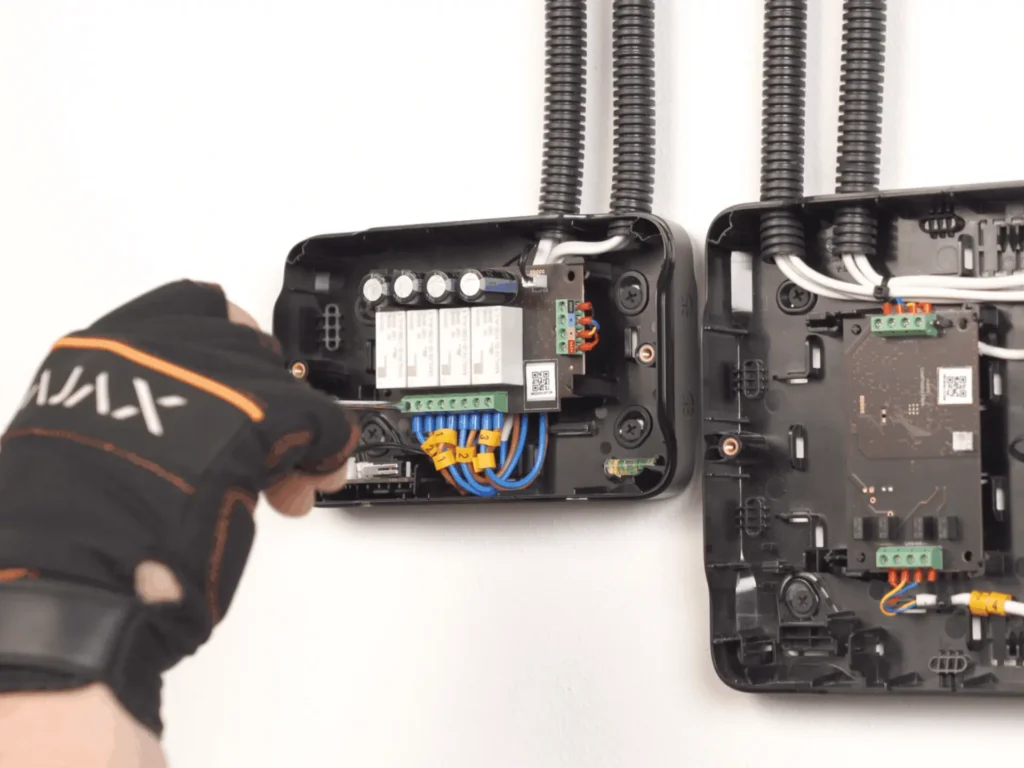
An activation device sends a signal to the operator controller, which powers the door through a programmed opening, hold-open and closing cycle. What looks like a simple movement depends on several physical and operational conditions around the doorway. The correct automatic door operator is therefore selected around the entrance itself rather than from a standard one-size-fits-all specification.
TNSG designs the monitoring layer around those decisions, including operator coverage, AI analytics, communication reliability and the response options available at the property.
Swing direction, frame construction, available header space and surrounding clearances determine how the operator can be mounted and connected safely.
Leaf width, weight, hardware condition and resistance affect the operator capacity needed for reliable opening, closing and manual door use.
Usage frequency matters because a lightly used office door and a busy public entrance place very different demands on equipment.
Exterior doors may face wind and building pressure that resist movement, affect latching and require stronger control through each cycle.
Push plates, wave sensors, remotes or other devices are selected around user needs, traffic patterns and the required operating mode.
Electric locking, fire requirements and emergency egress must be coordinated so automation never conflicts with required door security or release.
An automatic door operator does not decide who is allowed through a protected entrance. Its job is to move the door once the appropriate activation or authorization condition has been met. When door automation and access control are used together, the sequence between authorization, unlocking, opening and secure closing needs to work as one coordinated process.
This type of integration can be useful at office entrances, condominium common areas, healthcare facilities, controlled staff doors and other locations where accessibility and controlled entry need to coexist. TNSG can plan the operator, activation devices and compatible security components as one entrance system rather than treating them as unrelated hardware.
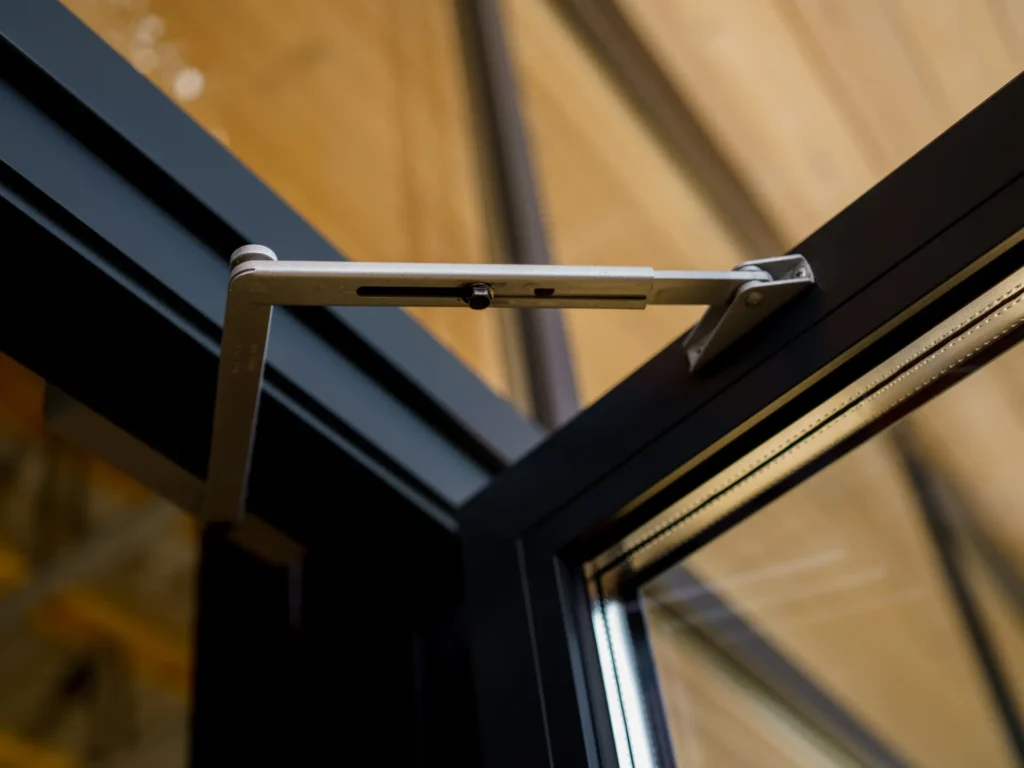
Automatic entry involves more than choosing a motor and attaching it above a door. Existing hardware, operator classification, safety requirements, accessibility, locking and the behaviour of the building itself can all affect the finished installation. These questions address details that often become important once a specific entrance is being evaluated.
Not by itself. In Ontario, most technical accessibility requirements for buildings, including requirements involving power door operators, are addressed through the Ontario Building Code rather than being created solely by the AODA. The complete entrance may also involve doorway dimensions, manoeuvring space, hardware, control placement, signage and the surrounding barrier-free path of travel.
For existing buildings, the applicable requirements can also depend on the type and extent of construction or renovation being undertaken. An operator should therefore be treated as one component of an accessible entrance, not as a standalone compliance certificate.
A low-energy swing door operator is designed to move the door at limited speed and force and is commonly activated through a deliberate action such as pressing a plate, using a wave switch or providing another defined activation signal. This type of operation is commonly associated with ANSI/BHMA A156.19.
Full-power pedestrian door systems can operate more automatically, including activation by approach sensors, and are governed by different safety requirements such as ANSI/BHMA A156.10. The distinction matters because operating speed, activation method, sensing and protective requirements are not the same for every automatic entrance.
Often, yes. Many surface-mounted operators are specifically designed for retrofit applications and can automate suitable existing swing doors without replacing the entire entrance.
The existing door still needs to be evaluated first. Hinges or pivots, frame strength, alignment, latch hardware, door condition, available mounting space and electrical access can determine whether a retrofit is sensible or whether other work should be completed before the operator is installed.
No. Sensor requirements depend on the type of automatic door, its operating classification, activation method and the applicable safety standard. A low-energy door activated through a deliberate action is not designed around exactly the same operating conditions as a full-power door that automatically detects approaching pedestrians.
Safety sensors can nevertheless be added to many low-energy systems when the application warrants them. The correct decision should be based on the actual door configuration and operating mode rather than assuming that every operator uses the same sensor package.
Potentially, but the entire opening must remain suitable for its fire and life-safety function. The operator and related hardware need to be listed or approved for the intended application, and the door must still close and latch as required.
This is not a situation where a standard operator should simply be added to an existing fire door. Door hardware, locking, emergency operation and the required closing behaviour need to be reviewed as a complete assembly.
The behaviour depends on the operator and the way the entrance is designed. Many low-energy swing doors can still be opened manually when normal power is unavailable, while some operator models can also support integrated or external battery backup.
Power failure behaviour must also be coordinated with electrified locking and any life-safety requirements affecting the doorway. Battery backup should therefore be selected because the entrance requires a particular operating behaviour, not simply added as a generic accessory.
Yes. Double-leaf entrances can use coordinated operators, and vestibule doors can be configured so their opening sequence matches how people actually move through the entrance.
Sequencing can also help manage situations where opening both doors at the same time would create unnecessary air movement, pressure problems or operational issues. The exact arrangement depends on door handing, traffic flow, activation points, locking and the required timing between doors.
Opening the door successfully does not prove that the entire doorway is correctly adjusted. Misalignment, worn hinges or pivots, latch resistance, an electric strike, wind, stack pressure or incorrect closing settings can all interfere with the final part of the cycle.
Increasing motor force is not automatically the right solution. The cause should be identified first because excessive force can hide a mechanical or hardware problem rather than correcting it. A properly configured system should move the door reliably and return it to a consistent closed and latched position.
Security technologies are often more effective when they work together. Depending on the property and the risks involved, this solution may be combined with other systems.
A single technology may address one part of a security challenge, but effective protection often depends on how different systems, property conditions and operational needs work together. Explore our comprehensive security services for a broader approach to planning, improving or evaluating your property.
Tell us about the property, your current concerns and what you would like to improve. Our team will review the details and help determine the most appropriate next step, whether you need a new system, an upgrade or a professional assessment.
For technical support with an existing TNSG system, please visit our Help Center.