
CCTV Installation
Plan camera coverage around entrances, blind spots and the details you need to capture.

Security window film is a heavy-duty polyester laminate bonded directly to existing glass with a high-strength adhesive. The glass can still crack or break, but the film changes what happens afterward: fragments remain bonded together and the opening becomes harder to penetrate quickly. This makes it useful where you want to reinforce vulnerable glazing without replacing every window or glass door.
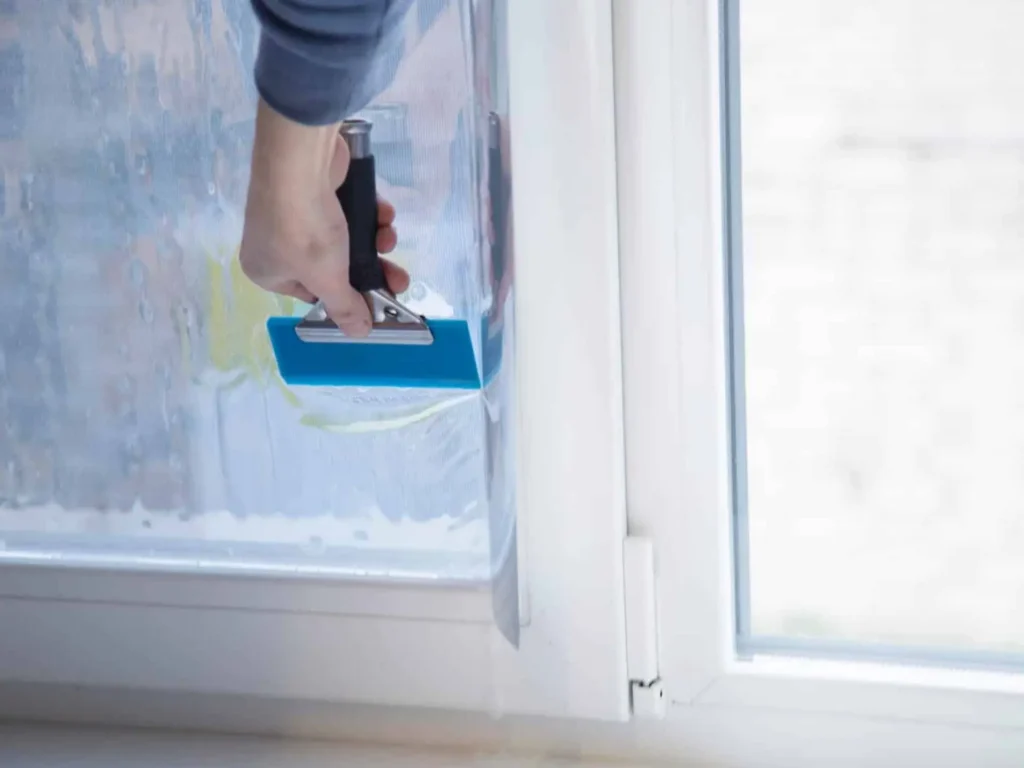
When the pane breaks, the film stretches and helps absorb impact energy while its pressure-sensitive adhesive keeps fractured glass attached to the laminate. Protection depends on the complete glazing system, not simply on the number of mils printed on a product sheet: the glass, film construction, frame, installation method, and intended threat all matter. For higher-risk openings, TNSG may specify a wet-glazed or mechanical attachment system that connects the filmed glass to the frame and improves retention after breakage.
Annealed, tempered, heat-strengthened, and laminated glass behave differently after impact and require different specifications.
Single, double, and triple glazing change where film is applied and how heat behaves.
Burglary delay, impact safety, glass fallout, and blast mitigation require different tested system configurations.
Thickness, layer construction, tensile strength, tear resistance, and adhesive performance affect overall system behaviour.
A strong film cannot compensate for weak frames, damaged seals, or unsuitable glazing conditions.
Anchoring filmed glass to the frame can improve retention where higher protection is required.
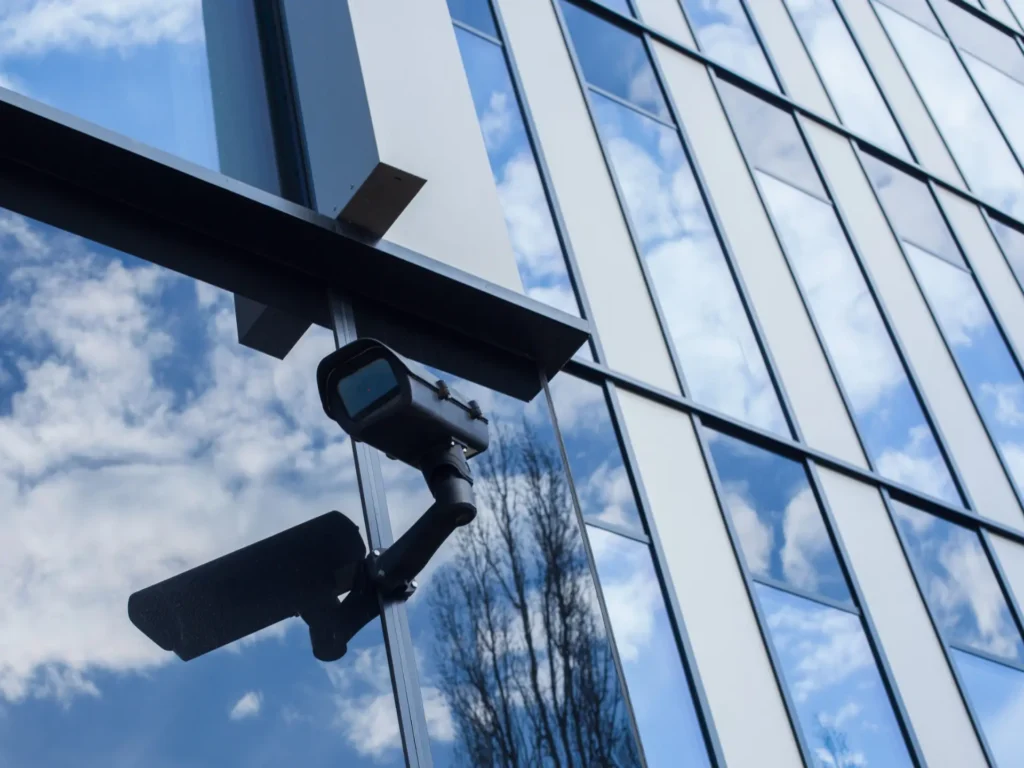
Security window film is passive protection: it cannot detect an intrusion, verify what is happening, or initiate a response. Its role is to add time and control at vulnerable glass while alarms, cameras, access control, and monitoring provide detection, verification, and response around it. This is particularly important in forced-entry scenarios, where delaying rapid penetration can create additional time for other security measures to become effective.
Security film is often described too broadly, which creates unrealistic expectations about what the material can actually do. These answers cover the technical questions worth understanding before you compare products or decide whether a retrofit is appropriate for your existing glazing.
No. The International Window Film Association does not claim that safety film applied to existing glazing is bullet resistant or bulletproof. Ballistic protection requires a purpose-designed and tested ballistic glazing system; window film may serve other protective functions, but it should not be treated as a substitute for ballistic-rated glass.
Often yes, but the same product and installation method are not appropriate for every glazing construction. Annealed, tempered, laminated, heat-strengthened, and insulated glass units react differently to impact and thermal stress, while Low-E coatings, pane location, seals, and manufacturer restrictions can also affect compatibility. The existing glass and frame should therefore be identified before the film is specified rather than assuming one solution works on every window.
Clear security film is designed to remain highly transparent and can be visually subtle once installation moisture has cleared. It does not automatically create privacy; solar-control, tinted, or reflective safety films are separate variants that can change visible light transmission, reflection, glare, heat gain, and daytime privacy. If maintaining the existing appearance matters for your storefront, office, or home, optical properties should be considered alongside the security specification.
Look for performance testing that corresponds to the hazard you actually want to address and to a glazing configuration reasonably comparable with yours. Depending on the application, manufacturers may provide safety-glazing testing such as ANSI Z97.1, forced-entry testing such as EN 356, or blast testing such as ASTM F1642 and GSA methods. A film thickness or product name alone is not a performance rating, and results from one glass, film, frame, and attachment configuration should not automatically be applied to another.
The adhesive begins bonding during installation, but the finished system does not reach its final cured state immediately. Exact cure time depends on the product, film construction, glass, temperature, humidity, and manufacturer specification, and some temporary haze or small moisture pockets can be normal while residual installation moisture dissipates. When an attachment sealant is part of the system, that material also has its own specified curing period that must be considered.
The glass is still broken and will normally need to be replaced. Security film is a retention layer: during an incident it helps keep fractured pieces bonded together and can help the damaged glazing remain in the opening, but it does not repair the pane or restore its original structural condition. After an event, the area should be secured and the replacement glazing reassessed before new film is installed.
After the manufacturer’s required curing period, architectural window film can generally be cleaned much like ordinary glass, but the surface should be treated as a coated material. Use a soft cloth, suitable non-abrasive glass cleaner, or soft squeegee, and avoid blades, hard brushes, abrasive pads, and aggressive scraping that can damage the scratch-resistant surface. Attachment edges and seams should also be cleaned carefully rather than mechanically disturbed.
Many safety and security films contain UV absorbers, and some products are specifically engineered to provide substantial UV reduction alongside their security function. However, UV is only one contributor to fading, so no window film can completely prevent furniture, flooring, merchandise, or fabrics from changing over time. If UV reduction, heat control, or glare reduction is also important, choose a safety-and-security film with published solar and optical specifications rather than assuming every clear security film provides the same performance.
Security technologies are often more effective when they work together. Depending on the property and the risks involved, this solution may be combined with other systems.
A single technology may address one part of a security challenge, but effective protection often depends on how different systems, property conditions and operational needs work together. Explore our comprehensive security services for a broader approach to planning, improving or evaluating your property.
Tell us about the property, your current concerns and what you would like to improve. Our team will review the details and help determine the most appropriate next step, whether you need a new system, an upgrade or a professional assessment.
For technical support with an existing TNSG system, please visit our Help Center.